

SMOKEFIRE
Combustion
Material burns. Heat drives chemical change while smoke carries particles, gases, and combustion byproducts.
Ash · persistent smoke · burned flavor · very high local heatSmoking and vaping are not the same process—and vapor is not risk-free. Learn what the device is doing, what changes in the material, and which variables you can actually control.
That sounds simple, but the real experience includes the material, heater, sensor, airflow, load, path, cleaning, and the person using it. A category name alone never tells the whole story.
Material burns. Heat drives chemical change while smoke carries particles, gases, and combustion byproducts.
Ash · persistent smoke · burned flavor · very high local heatA heater transfers energy without intentionally sustaining combustion. The resulting aerosol still depends on material, device, temperature, and technique.
No ash · changing flavor · condensed aerosol · device-dependent heatDry herb, concentrates, and nicotine liquids use different materials and hardware. Advice that fits one category may be wrong for another.
Flower is heated in a chamber or air path. Moisture, grind, load, heater style, draw speed, and time all change the session.
An extract contacts a heated surface or atomizer. Composition, surface temperature, residue, and cleaning matter.
A coil heats formulated liquid. Device compatibility, liquid source, coil condition, power, and manufacturer guidance matter.
Source, composition, moisture, grind, viscosity, age, and contamination all matter.
Conduction, convection, radiant heat, coils, and hybrid systems move energy differently.
A display may describe the heater—not the actual material. One laboratory number is not a universal setting.
Draw speed, heat soak, load density, and session length change temperature and extraction.
Glass length, water, restriction, residue, and cleanliness change cooling and what reaches the user.
Dirty parts, worn coils, damaged seals, and improvised modifications make behavior less predictable.
The Silver Surfer, Super Surfer, Da Buddha, SideKick, and Elev8R give us five different ways to teach heater style, airflow, loading, glass, and technique. The goal is not to push everyone toward the same device—it is to help each person understand the system they are choosing.
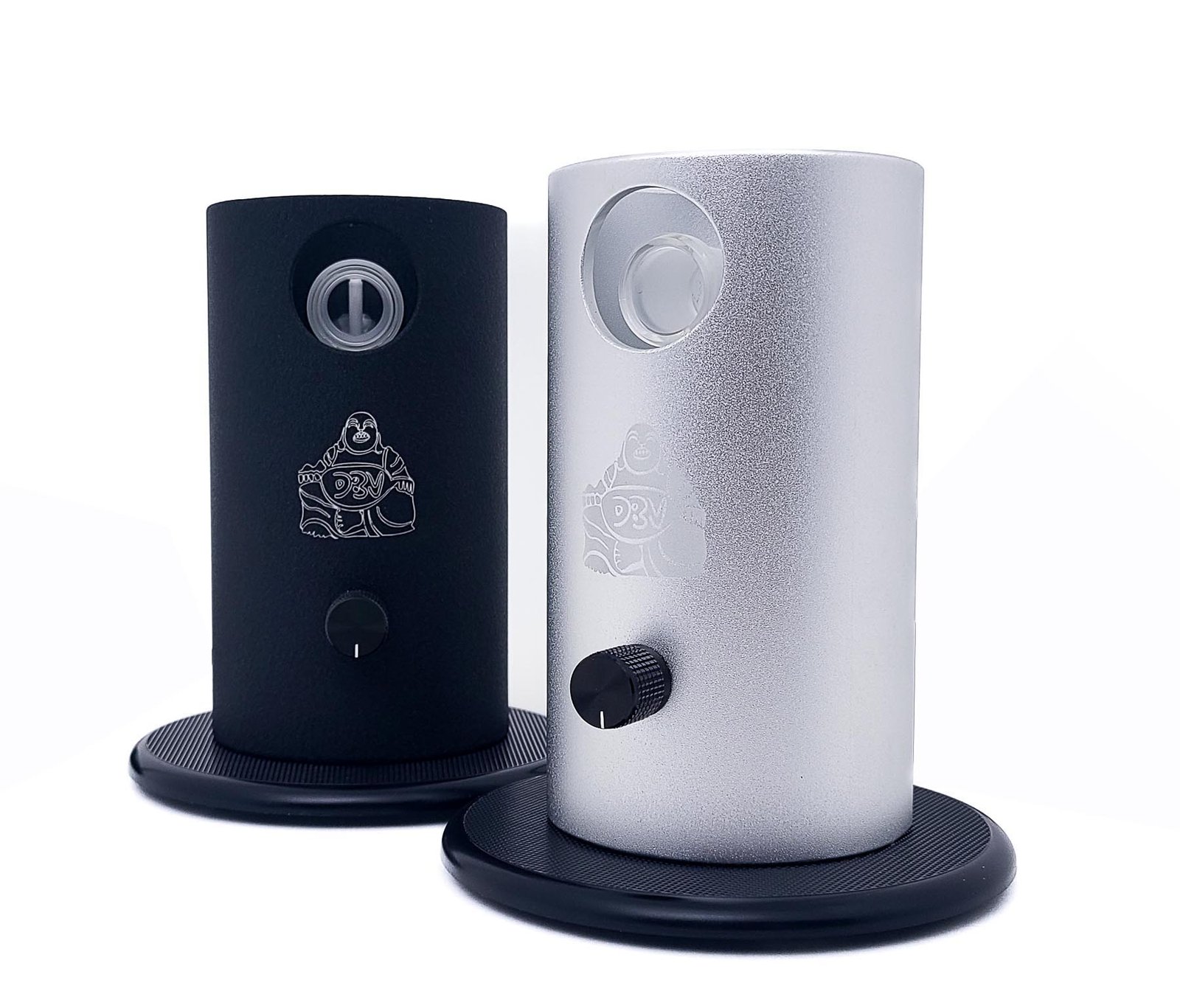
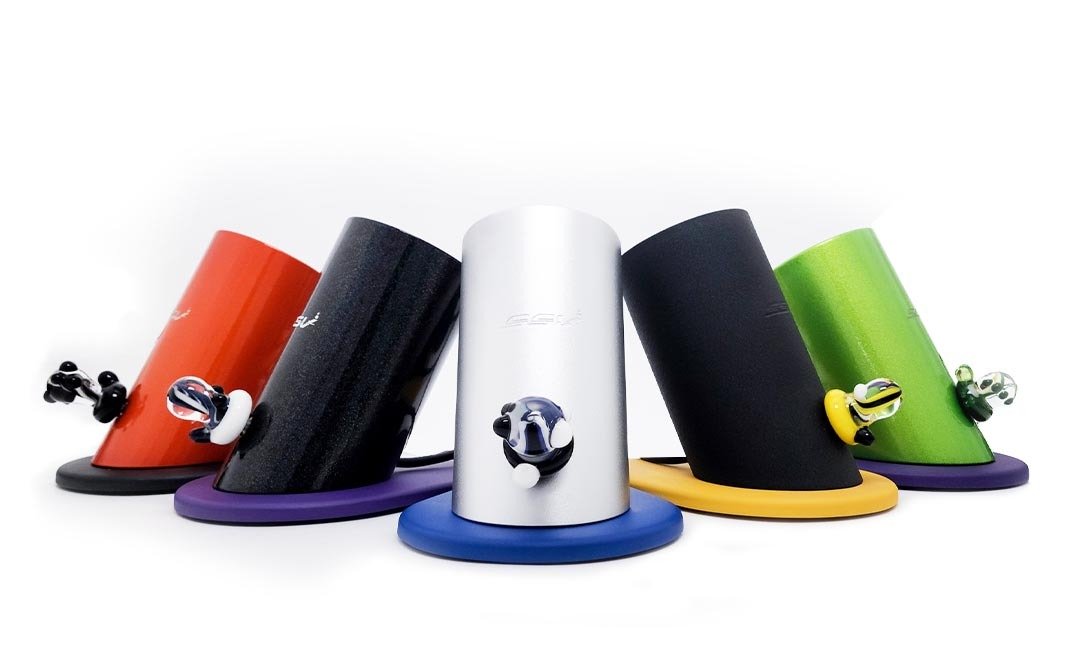
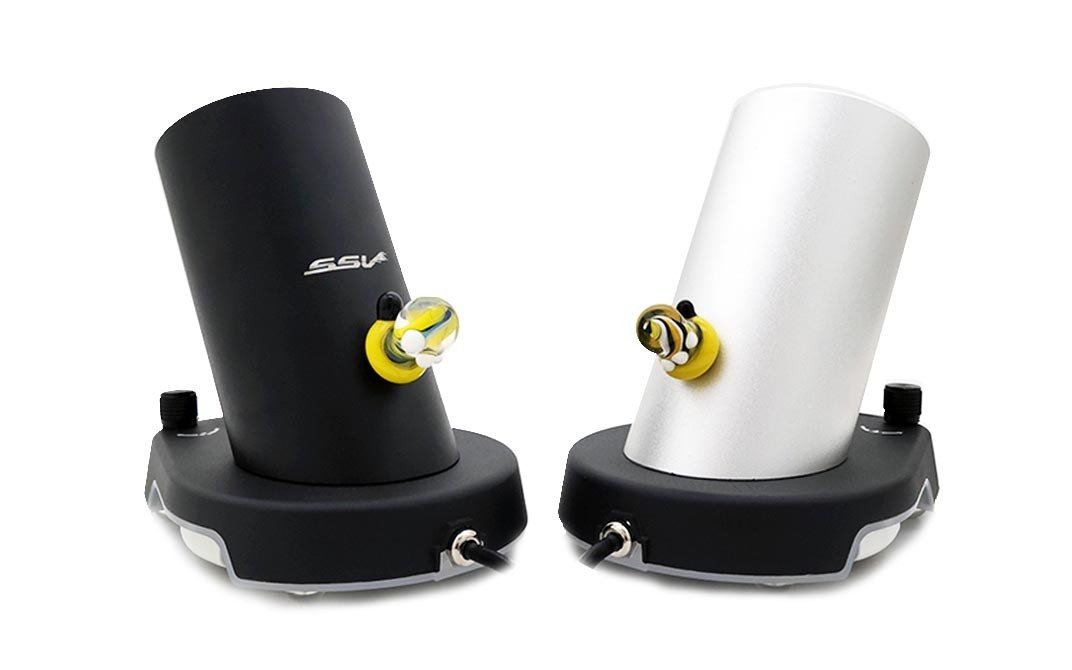
This guide preserves ELEV8’s long-form educational intent while removing guaranteed outcomes and false temperature precision. Authoritative public-health sources establish the risk boundary; product-specific technique comes from manufacturer instructions and real device experience.
No record stands alone. Chemistry connects to heat, devices, route of use, evidence, and the rest of the plant.
Forms, conversion, evidence, safety, and regulation.
Learn more →12 recordsAroma chemistry, plant sources, and lab-reference limits.
Learn more →7 recordsColor, plant roles, evidence, and route-specific boundaries.
Learn more →Heat · air · timeConnect chemistry to heaters, material, airflow, glass, and technique.
Learn more →Understand what changes, what remains risky, and how devices differ.
You are hereSearch the recovered Realm of Caring research index and follow the source papers.
Learn more →10 recovered guidesFind the original lesson map and the native guides replacing the lost archive.
Learn more →